









Indoor Air Quality Is Vital To Your Home's Comfort
Why Indoor Air Quality Matters for Your Family's Health
The air inside your home may be affecting your family more than you realize — and the numbers are hard to ignore:
- Indoor air quality can be 10 to 100 times more polluted than outdoor air
- The EPA ranks indoor air pollution among the top 5 environmental health concerns in the US
- Over 30 million Americans suffer from asthma — many triggered by indoor air pollutants
Those most at risk from poor indoor air quality include:
- 👶 Young children
- 👴 The elderly
- 🤒 Those managing chronic illness or respiratory conditions
The good news? Understanding how to monitor the indoor air quality in your home is the first step — and knowing when to call in a professional indoor air quality service near Columbus can make all the difference for your family's health and comfort.
How to Test Air Quality in Your Home
One of the most common questions we hear from Columbus homeowners is: how do I check the air quality in my home? There are a few approaches depending on what you're looking for:
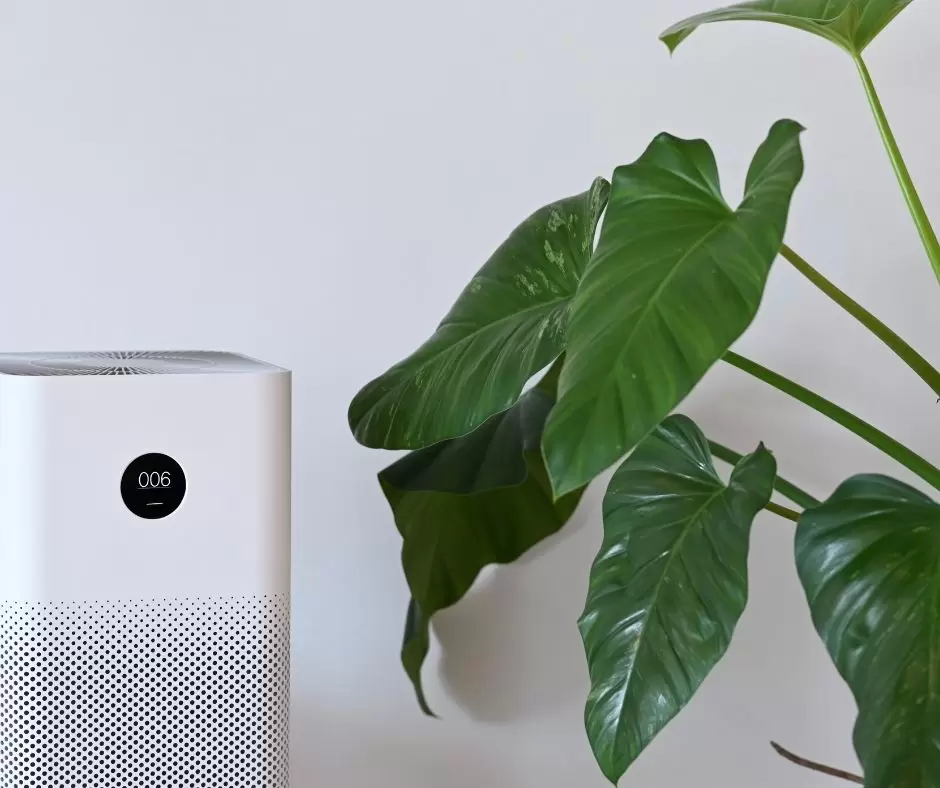
- DIY indoor air quality monitors — Affordable home devices can track particulate matter, humidity, CO2 levels, and VOCs in real time, giving you a general snapshot of your indoor air conditions
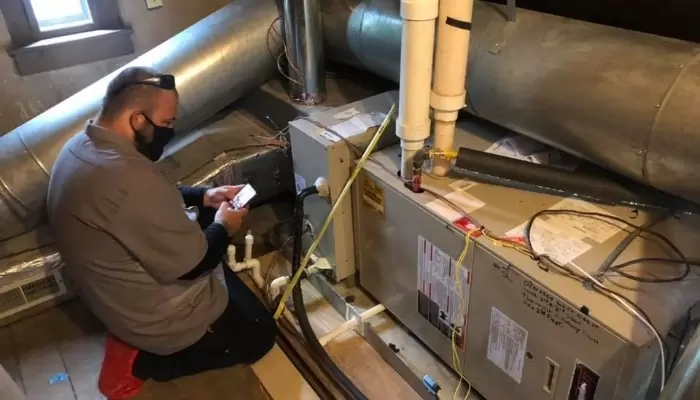
- Professional indoor air testing — A certified HVAC professional can conduct a more thorough assessment, identifying specific pollutants, allergens, mold spores, and other contaminants that consumer devices may miss
- Watch for warning signs — Frequent allergy flare-ups indoors, unexplained headaches, musty odors, excessive dust buildup, or worsening asthma symptoms can all be signs that your indoor air quality needs attention
If you've noticed any of these signs in your Columbus area home, it may be time to explore professional indoor air quality services near you.
Common Sources of Indoor Air Pollution
You may be surprised to learn that everyday activities contribute significantly to indoor air pollution. Cooking, running your furnace, bringing new furniture or building materials into the home, and even taking a shower can introduce pollutants into your living space. Additional sources include:
- Volatile organic compounds (VOCs) from cleaning products, paints, and adhesives
- Pet dander, dust, and dust mite allergens
- Mold spores and moisture from humid conditions
- Smoke, fumes, and odors
- Bacteria, viruses, and other airborne pathogens
Since we can't control what we breathe outside, it makes sense to take control of the indoor air quality inside your home.
How Can I Improve My Indoor Air Quality?
- HEPA Filters: A HEPA filter for your furnace or air purifier will help to remove many small particles like dust, dust mite allergens, anthrax spores, mold spores, pet dander and even some harmful gases and airborne asbestos from the air in your house.
- Carbon Filters: Many air purifiers rely on carbon filters to eliminate smoke, fumes, and odors from your house. Air is forced through a layer of activated granular charcoal which absorbs the odors and allows clean fresh air to pass through.
- UV Germicidal Light: This ultraviolet light feature of many air purifiers neutralizes and eliminates many bacteria, mold spores, protozoa, yeasts and even some viruses.
- Air Purifiers: This naturally occurring unstable gas quickly oxidizes with the pollutants in the air moving through the air purifier and completely neutralizes them. Many air purifiers use this chemical reaction to effectively eliminate bacteria, fungus and odors from the air.-Ionize: Air purifiers with ionizers create negatively charged ions which attract small airborne particles such as viruses, pollen, bacteria, smoke, dust, animal dander as well as other allergens. Once this occurs the particles cling to a metal collector or the particles to fall out of the air.
Why is Indoor Air Quality Important In My Home Near Columbus, OH?
Indoor air quality in Columbus, OH, may be particularly important for several reasons. Some are pretty obvious, but many are rarely talked about:
1. Environmental Factors: Environmental conditions, such as pollution and seasonal changes, can impact indoor air quality. Columbus, like many urban areas, experiences varying levels of pollution from sources like vehicle emissions, industrial activities, construction, and even impacts from wildfires in other areas.
2. Climate Considerations: Climate-related concerns may affect indoor air quality in Columbus. Extreme weather events, such as heatwaves, heavy rainfall, or storms, can lead to moisture intrusion, mold growth, and water damage, which can degrade indoor air quality. Additionally, changes in temperature and humidity levels can impact the overall comfort and air quality inside your home or business near Columbus, OH.
3. Allergens and Pollen: Columbus and its surrounding regions have a diverse range of plant life and agricultural influences, which means residents are exposed to various allergens and pollen. For individuals with allergies or respiratory conditions like asthma, poor indoor air quality can exacerbate symptoms. Maintaining good air filtration and ventilation can help reduce the presence of allergens indoors.
4. Indoor Pollutants: Indoor spaces can harbor pollutants such as volatile organic compounds (VOCs) from household cleaning products, paints, adhesives, and furnishings. These chemicals can contribute to poor indoor air quality, leading to respiratory problems, headaches, and other health issues. Even new homes can suffer from these factors. Adequate ventilation and using low-emission materials can help mitigate these concerns, but if you are sensitive or have family members with breathing challenges, IAQ solutions are imperative.
5. Public Health Awareness: Increasing public awareness and understanding of the importance of indoor air quality have made it a more significant consideration in recent years. As people spend significant time indoors, particularly during extreme weather conditions or situations like the COVID-19 pandemic, maintaining clean and healthy indoor air becomes crucial for overall well-being. We believe that your home should be your safe place, and Sears wants you to breathe easy.
Knowledge is power and peace of mind is key. Let's get started making your home a safer place - breath by breath. Send us a message online or call us at 614-475-1800 today!
Indoor Air Quality FAQs
Indoor air pollution can stem from various sources commonly found in homes. Combustion appliances like stoves, fireplaces, and heaters produce pollutants such as carbon monoxide and nitrogen dioxide. Volatile organic compounds (VOCs) emitted from cleaning products, paints, and furniture can contribute. Dust mites, pet dander, and mold spores affect air quality. Secondhand smoke, radon gas, and pollen infiltrating from the outside also pose risks. Proper ventilation, regular cleaning, using air purifiers, and reducing chemical use can help mitigate these sources, enhancing indoor air quality and promoting healthier living environments.
Poor indoor air quality can lead to a range of symptoms. Common signs include respiratory issues like coughing, wheezing, and shortness of breath. Allergy and asthma symptoms might worsen. Headaches, fatigue, and dizziness are possible, along with eye, nose, or throat irritation. Skin problems like dryness or rashes can occur. If occupants experience these symptoms consistently while indoors and notice improvements when outside, it could indicate poor indoor air quality. Addressing sources of pollution, improving ventilation, and using air purifiers can help alleviate these symptoms and enhance indoor air quality.
Yes, using a high-quality air filter can extend the lifespan of HVAC systems. Air filters trap dust, dirt, pollen, and debris from entering the system, preventing them from accumulating on critical components like the evaporator coil, blower motor, and heat exchanger. Reduced dirt buildup improves airflow, reduces strain on the system, and enhances overall efficiency. This, in turn, decreases wear and tear on components, leading to less frequent breakdowns and a longer operational lifespan for the HVAC system. Regular filter replacement is key to maintaining these benefits.
To test the air quality in your home, you can use a variety of methods including purchasing an indoor air quality monitor that detects pollutants like VOCs, particulate matter, and carbon dioxide. Additionally, you can use carbon monoxide detectors and radon test kits for specific hazards. For a more comprehensive assessment, consider hiring a professional indoor air quality evaluator who can conduct detailed tests for a wide range of pollutants and provide tailored solutions to improve your home's air quality.
Carpets can significantly impact indoor air quality by trapping pollutants such as dust, pollen, pet dander, and mold spores, which can be released back into the air through daily activities. While carpets can act as a filter, if not cleaned regularly, they can contribute to poor indoor air quality. Additionally, new carpets can emit volatile organic compounds (VOCs), affecting air quality. Regular vacuuming with HEPA filters, professional cleaning, and choosing low-VOC carpets can mitigate these impacts and maintain healthier indoor air.
Effective air purifiers for improving indoor air quality include:
- HEPA Filters: Capture 99.97% of particles as small as 0.3 microns, including dust, pollen, and pet dander.
- Activated Carbon Filters: Remove odors, gases, and volatile organic compounds (VOCs).
- UV-C Light Purifiers: Kill bacteria, viruses, and mold spores by disrupting their DNA.
- Ionic Air Purifiers: Emit negative ions to attract and neutralize airborne particles.
- Ozone Generators: Use ozone to eliminate odors and pollutants but should be used cautiously due to potential health risks.
Choosing the right purifier depends on your specific needs and the types of pollutants present in your home.
VOCs (Volatile Organic Compounds) are chemicals that easily become vapors or gases at room temperature. They are emitted by various sources, including paints, cleaning products, building materials, and furniture. VOCs can negatively impact indoor air quality by contributing to air pollution. Exposure to high levels of VOCs can cause health issues such as headaches, dizziness, respiratory irritation, and long-term effects like liver and kidney damage. Reducing VOCs in your home improves overall air quality and promotes a healthier environment.