




What Refrigerant Does My AC Use? How to Identify It
If you've ever had a cooling problem and wondered, "what refrigerant does my AC use?" — you're asking the right question. The type of refrigerant in your system affects what a repair costs, whether a recharge is even possible, and how close you may be to needing a new unit. Here's how to figure out what refrigerant your AC uses and what it means for you.
The Easiest Way to Check
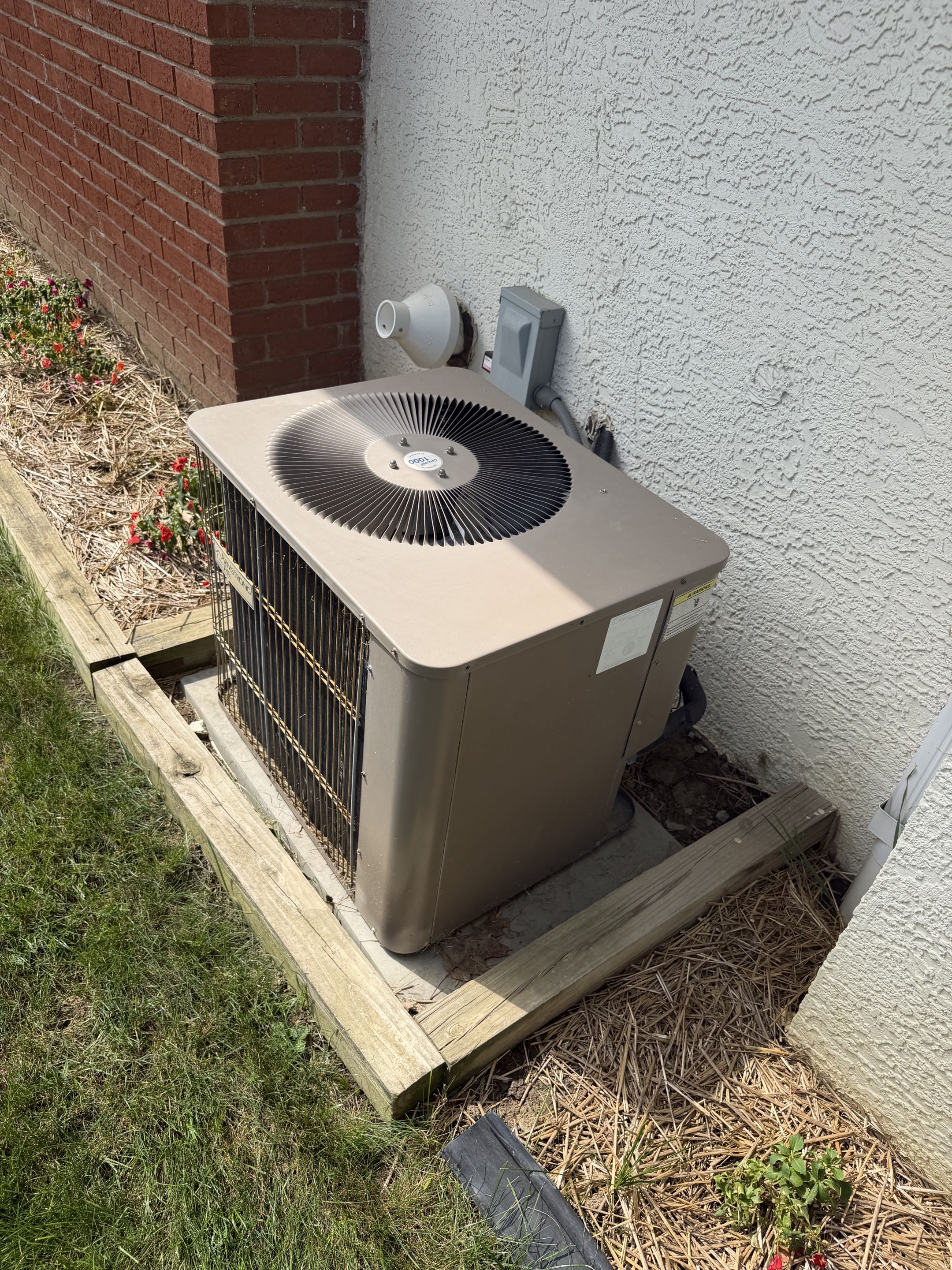
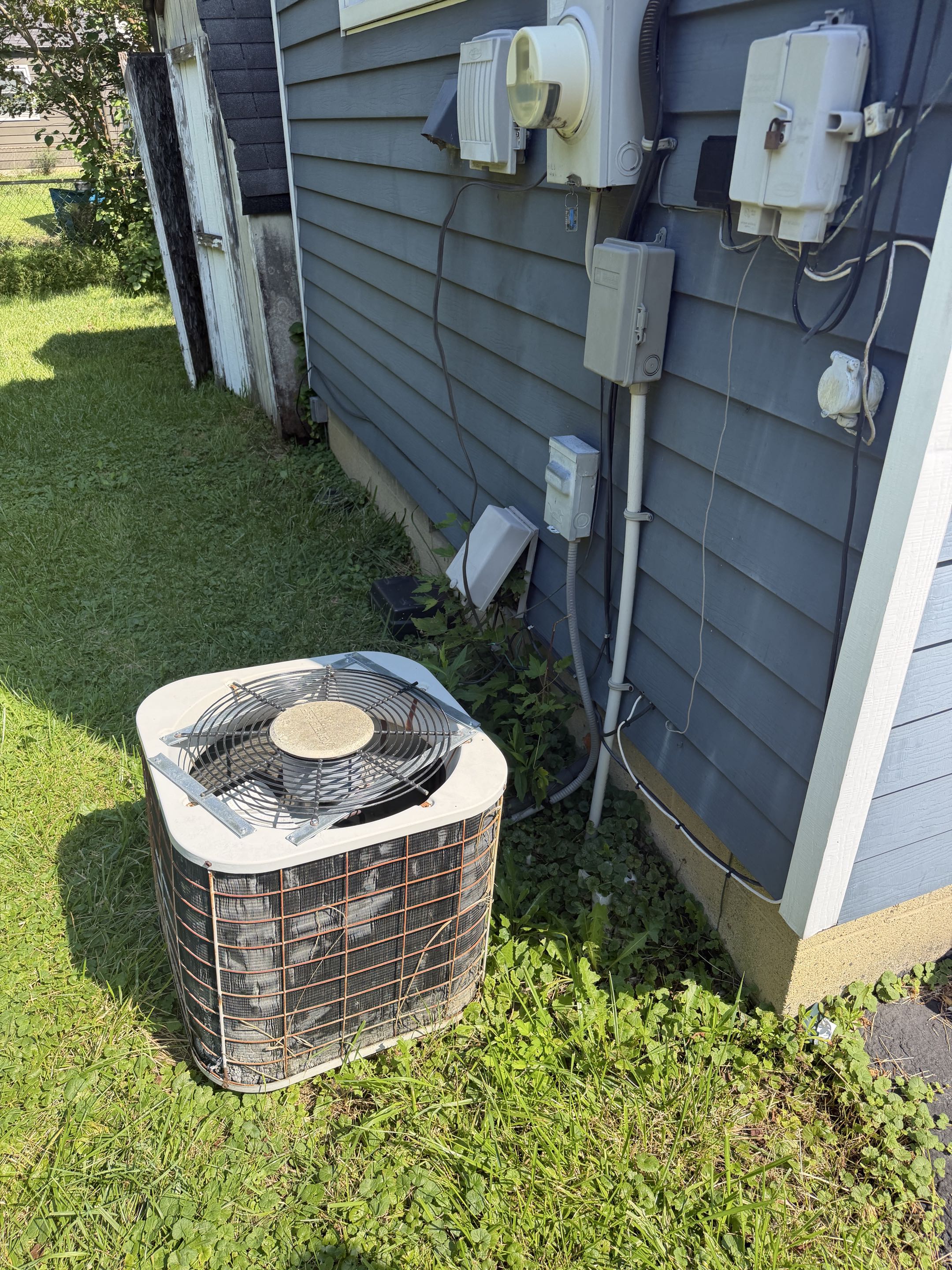
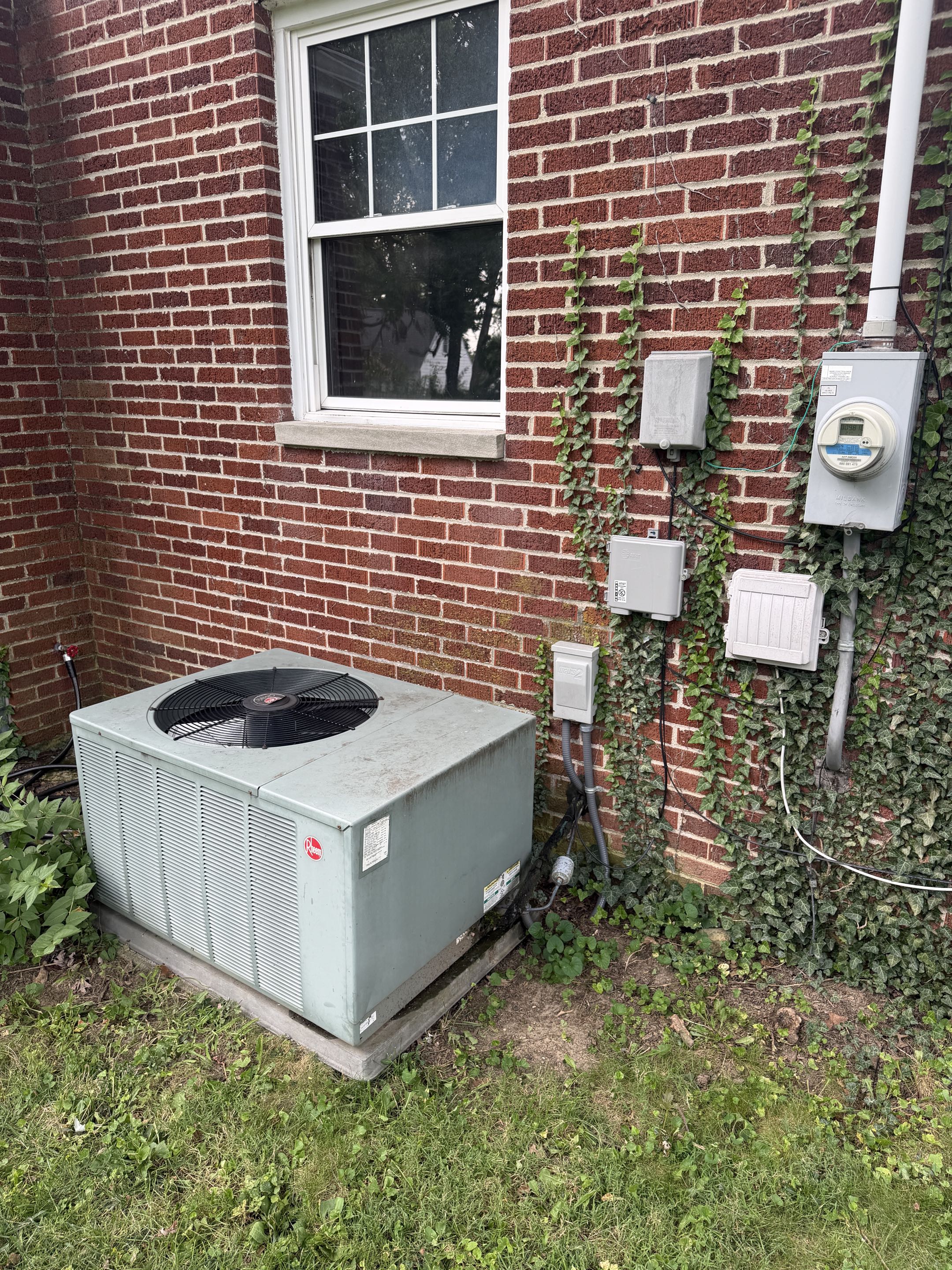
The fastest way to answer "what refrigerant does my AC use" is to look at the unit itself. Find the manufacturer's nameplate or data sticker on the outdoor condenser — usually on the side of the cabinet or inside the service panel. It will list the refrigerant type, often labeled "Factory Charge" or "Refrigerant." If the sticker is faded or missing, your system's age is the next best clue, and a technician can confirm it during any AC repair or service visit.
The Three Refrigerants You'll Run Into
R-22 (older systems, pre-2010). Often called by the brand name Freon, R-22 was the standard for decades. It's an ozone-depleting refrigerant, so production was banned in the U.S. as of 2020. If your system still uses R-22, no new supply is being made — only recycled R-22 remains, which makes it expensive and increasingly hard to get. A leak in an R-22 system is usually the point where replacing the unit makes more sense than repairing it.
R-410A (systems roughly 2010–2024). Also sold under names like Puron, R-410A replaced R-22 in new systems. It's more efficient, runs at higher pressure, and doesn't harm the ozone layer. For years it was "the new one" — but that's now changing (see below).
R-454B and R-32 (2025 and newer systems). This is the big update most homeowners haven't heard about yet. Under the federal AIM Act, R-410A is now being phased down because of its high global-warming potential. As of January 1, 2025, new residential air conditioners and heat pumps ship with next-generation low-GWP refrigerants — most commonly R-454B (and in some equipment, R-32). If you buy a new air conditioner today, this is almost certainly what it will use.
Why Are There Different Refrigerants?

Believe it or not, R22 has actually been in the process of being phased out since the mid 1990s and was completely phased out as of January 1, 2020.
R22 refrigerant is not nearly as eco-friendly as the R410A refrigerant.
R410A offers several benefits compared to R22:
- Better Performance – The R22 refrigerant has to work harder to let go of the heat it absorbs inside your home. This extra work means your compressor has to work harder in return leading to a decreased lifespan.
- Better Efficiency – As previously stated, R410A is more capable of absorbing the heat from your home and dispersing it outside. This increases the overall efficiency of your air conditioner and allows your home to cool more quickly.
- Cheaper – R410A is much cheaper to obtain than R22. As R22 becomes more and more scarce, the price of it will continue to rise. Eventually all supplies of R22 will be depleted and you will have no choice but to replace your air conditioner if you have a refrigerant leak.
- Better For Environment – The entire reason for the R22 phase out is its damaging effects on the earth’s ozone layer. R410A is a much more eco-friendly refrigerant.
Why You Can't Mix Refrigerants
This is an absolute no. You cannot put R-410A into an R-22 system — the higher pressure will destroy the compressor — and there's no way to "convert" an R-22 unit to R-410A. The same rule applies to the newer refrigerants: each system is engineered for one specific refrigerant, and they are not interchangeable. Making a change means installing a system designed for that refrigerant.
What the 2025 Change Means for You
- If your AC uses R-22: plan ahead. A significant leak usually means replacement rather than repair, since R-22 is scarce and costly.
- If your AC uses R-410A: you're fine. Your system is fully serviceable, and R-410A will remain available for existing units for years. You do not need to rush out and replace a healthy R-410A system.
- If you're buying new: your next system will use R-454B or R-32. These are more environmentally friendly and designed for long-term availability. Want to understand how it all works? Here's our explainer on how refrigerant works in your AC.
Still Not Sure What Refrigerant Your AC Uses?
If you can't find the nameplate or you're weighing a repair against a replacement, we can help. Our technicians will identify what refrigerant your AC uses, check the health of your system, and give you a straight answer on the best path forward. Schedule a free estimate with Sears Heating & Cooling — keeping Columbus comfortable since 1950.