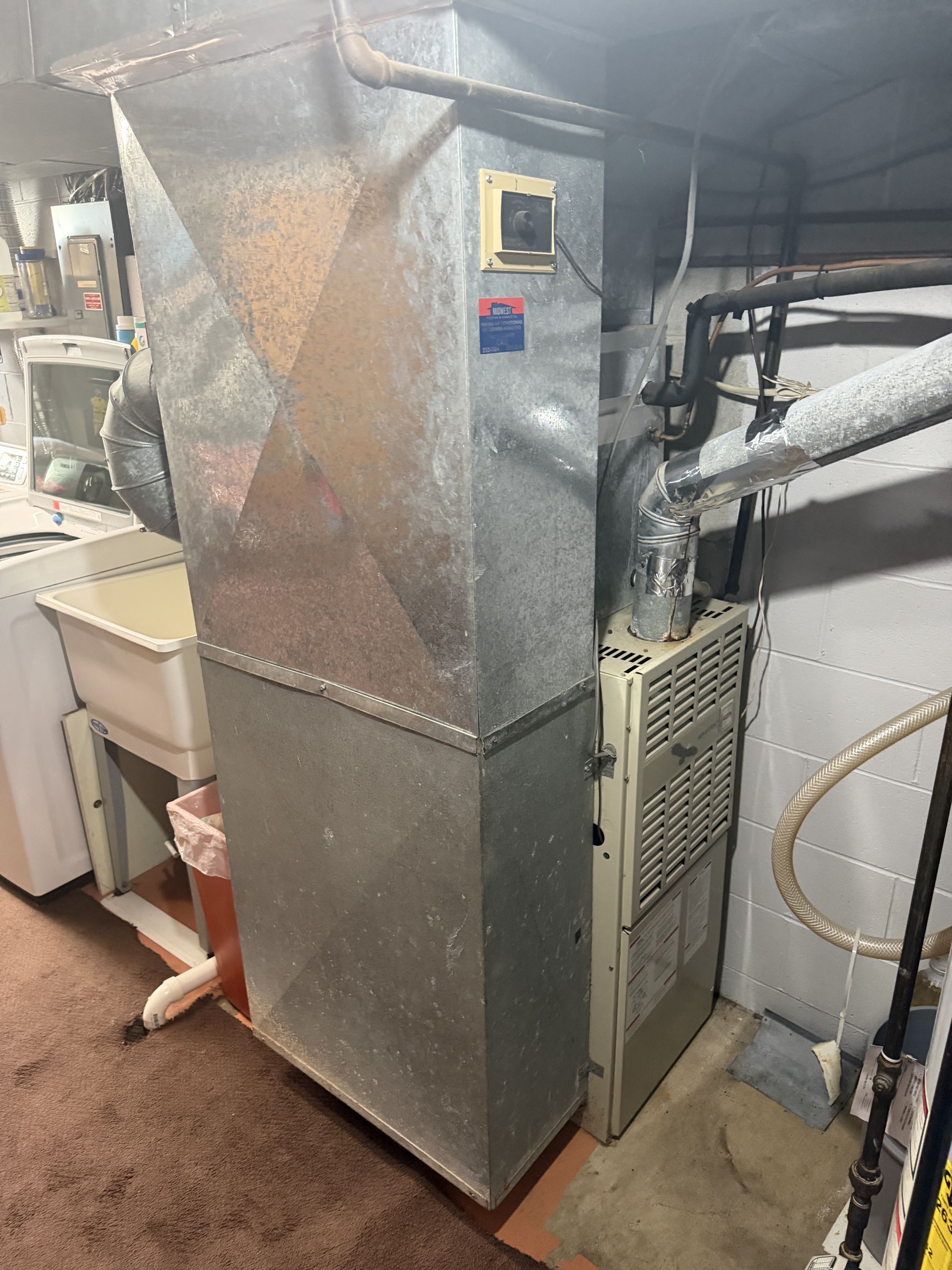
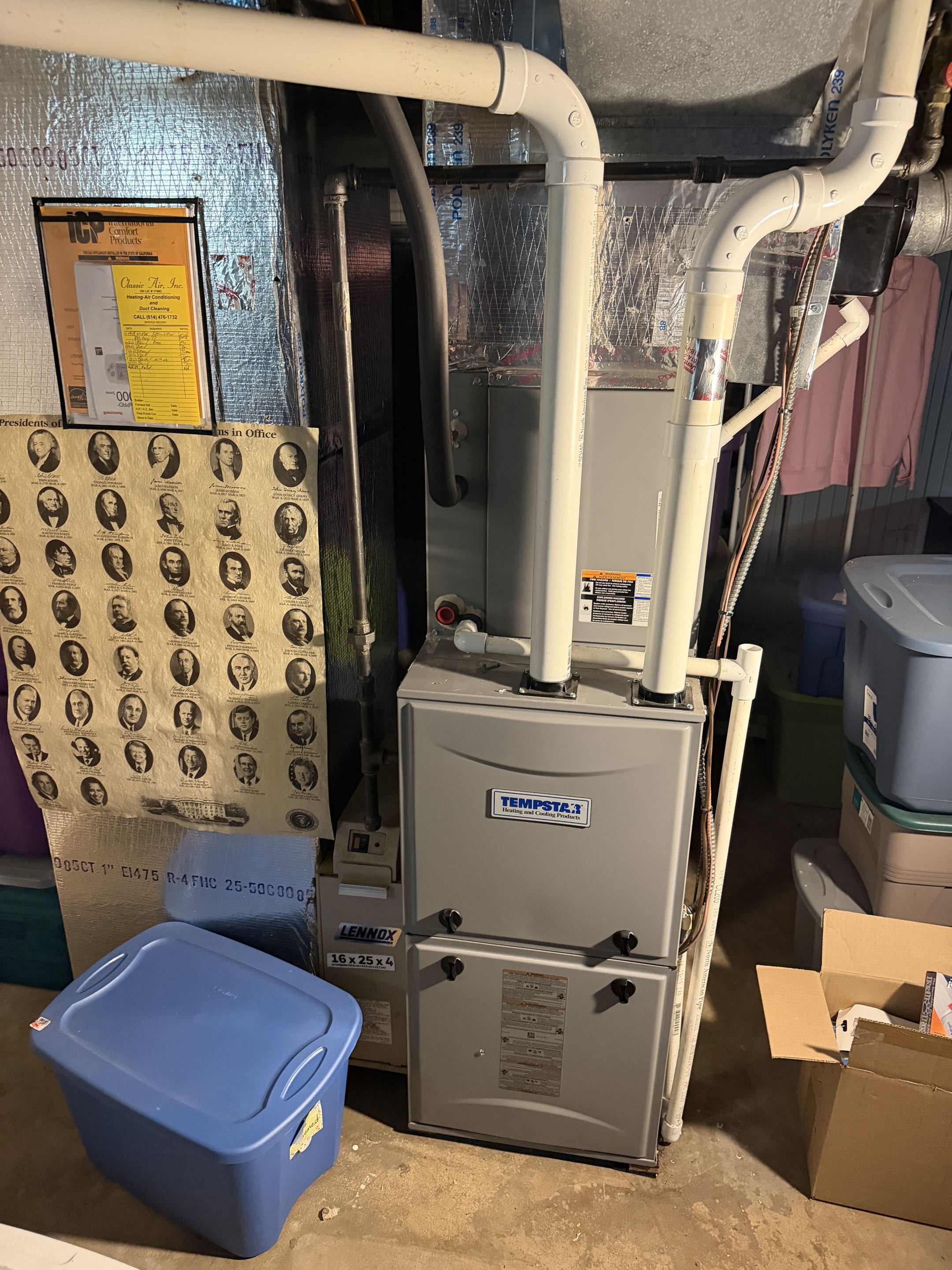
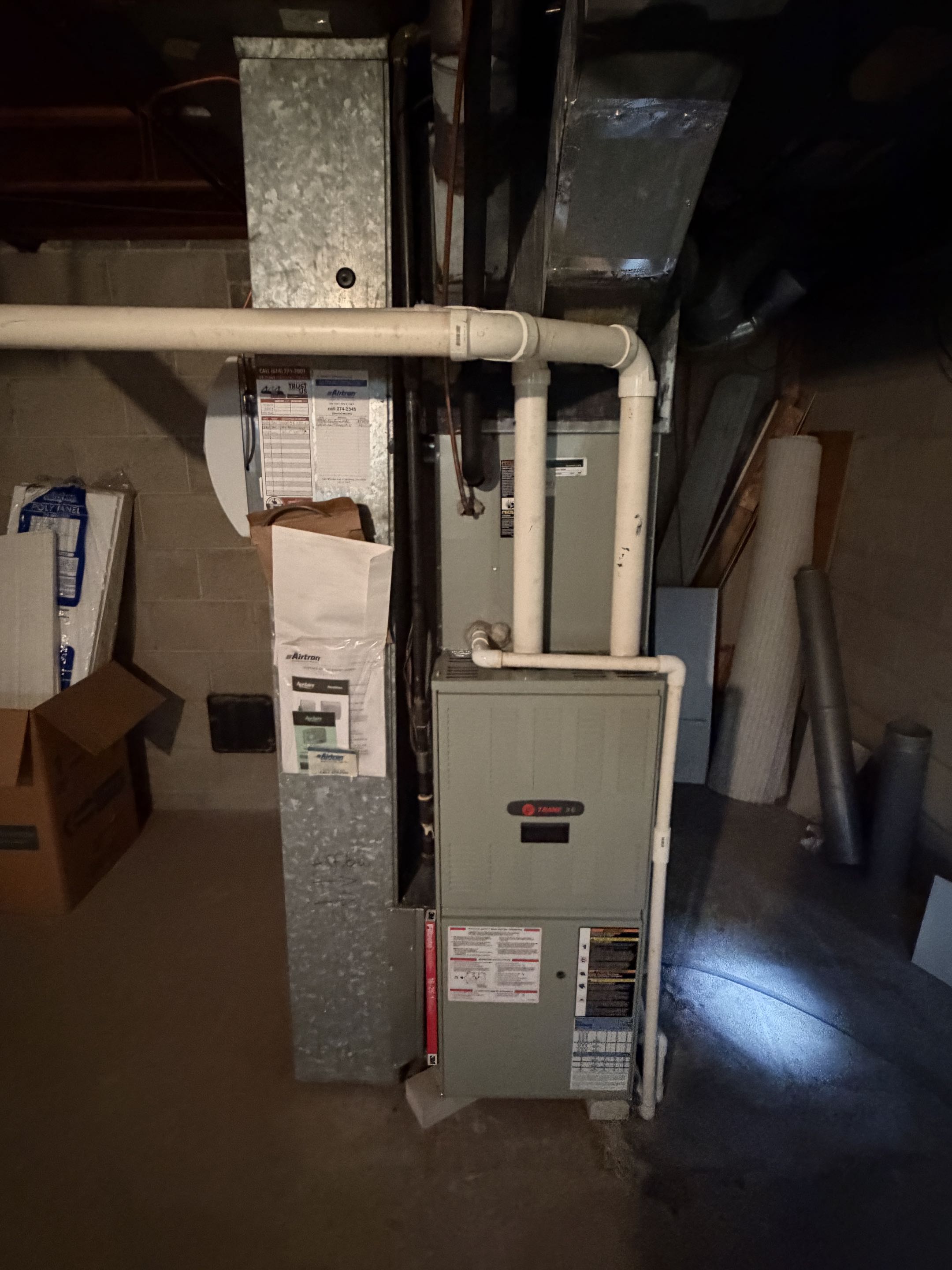
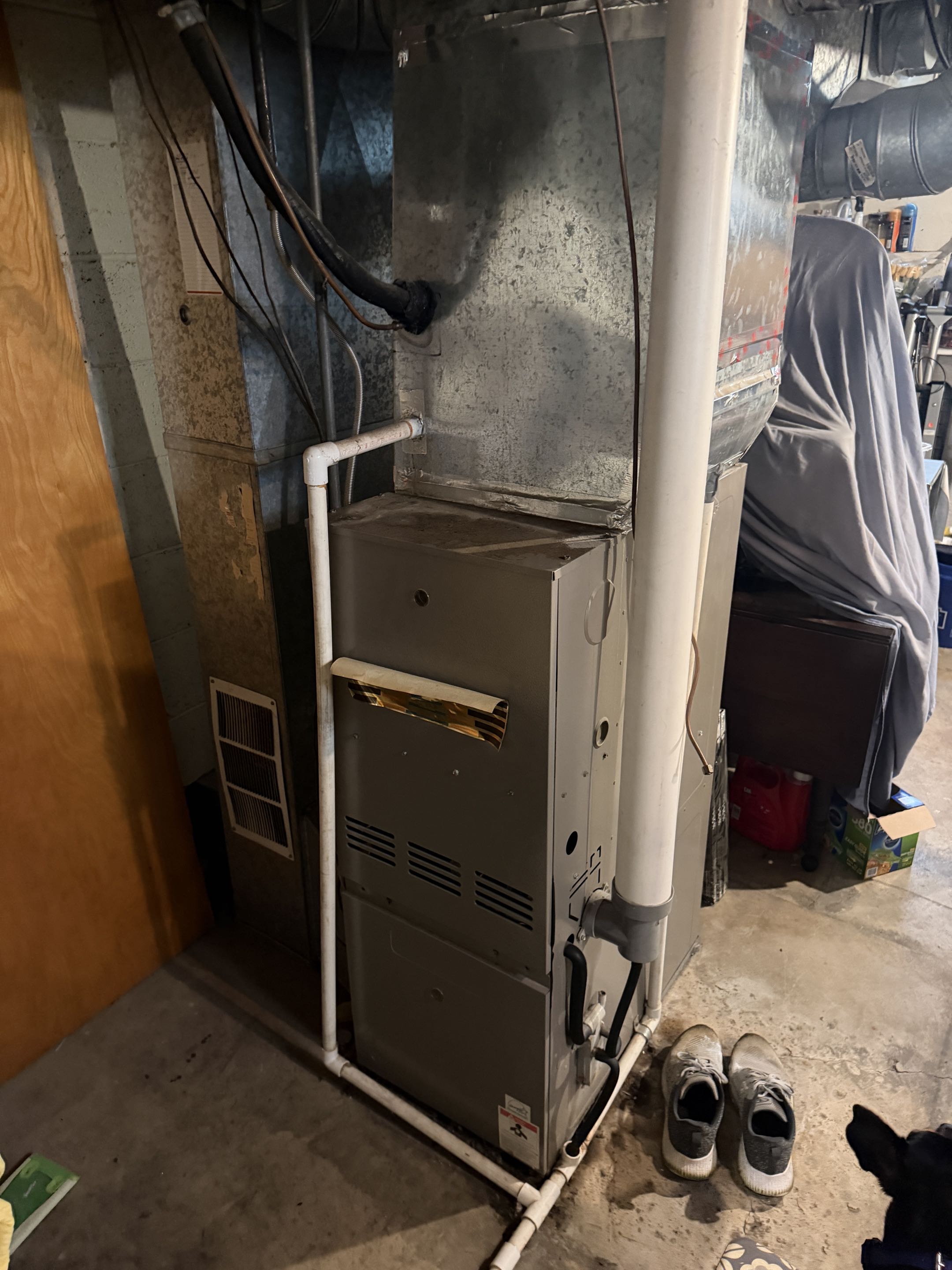
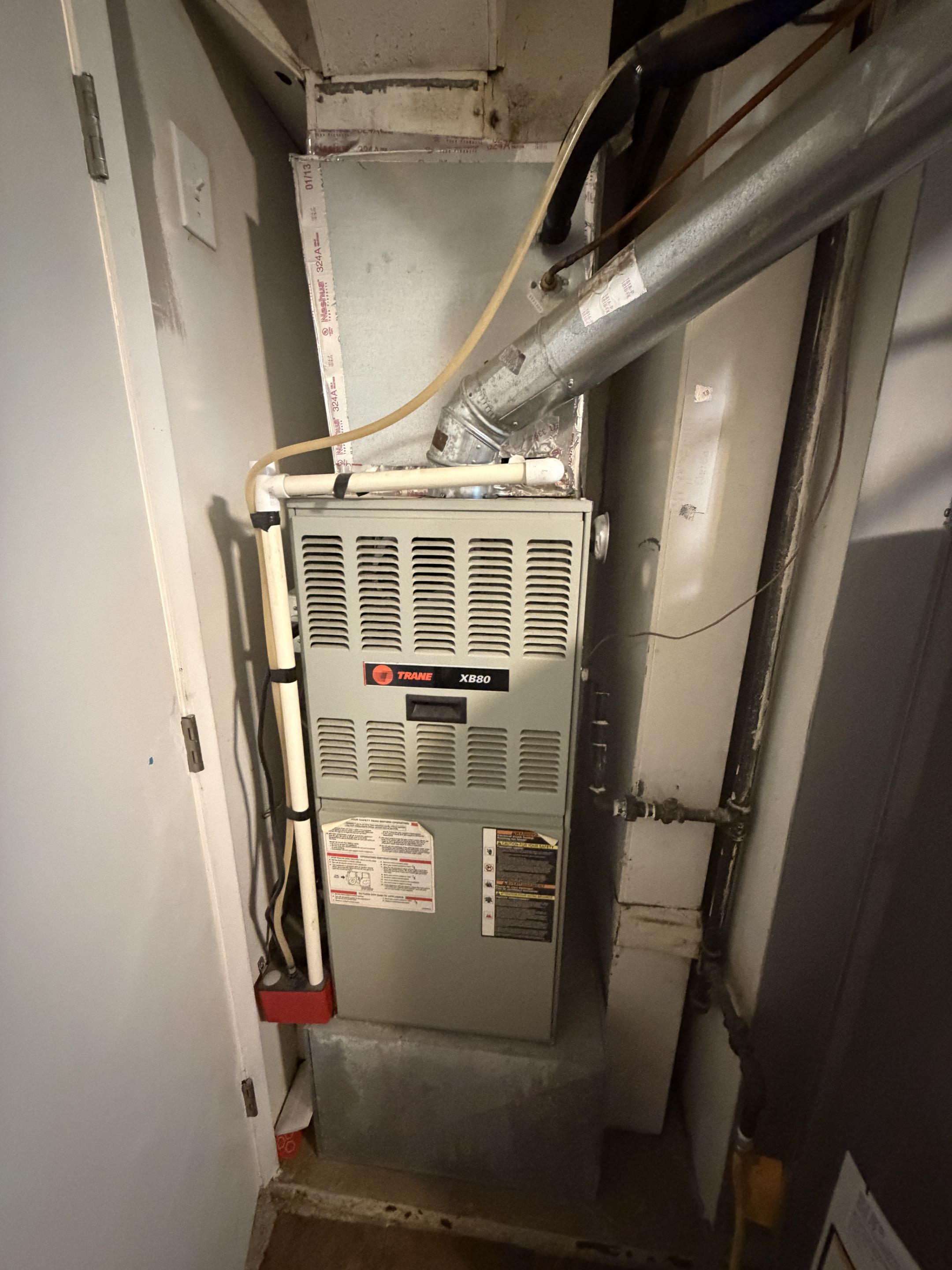
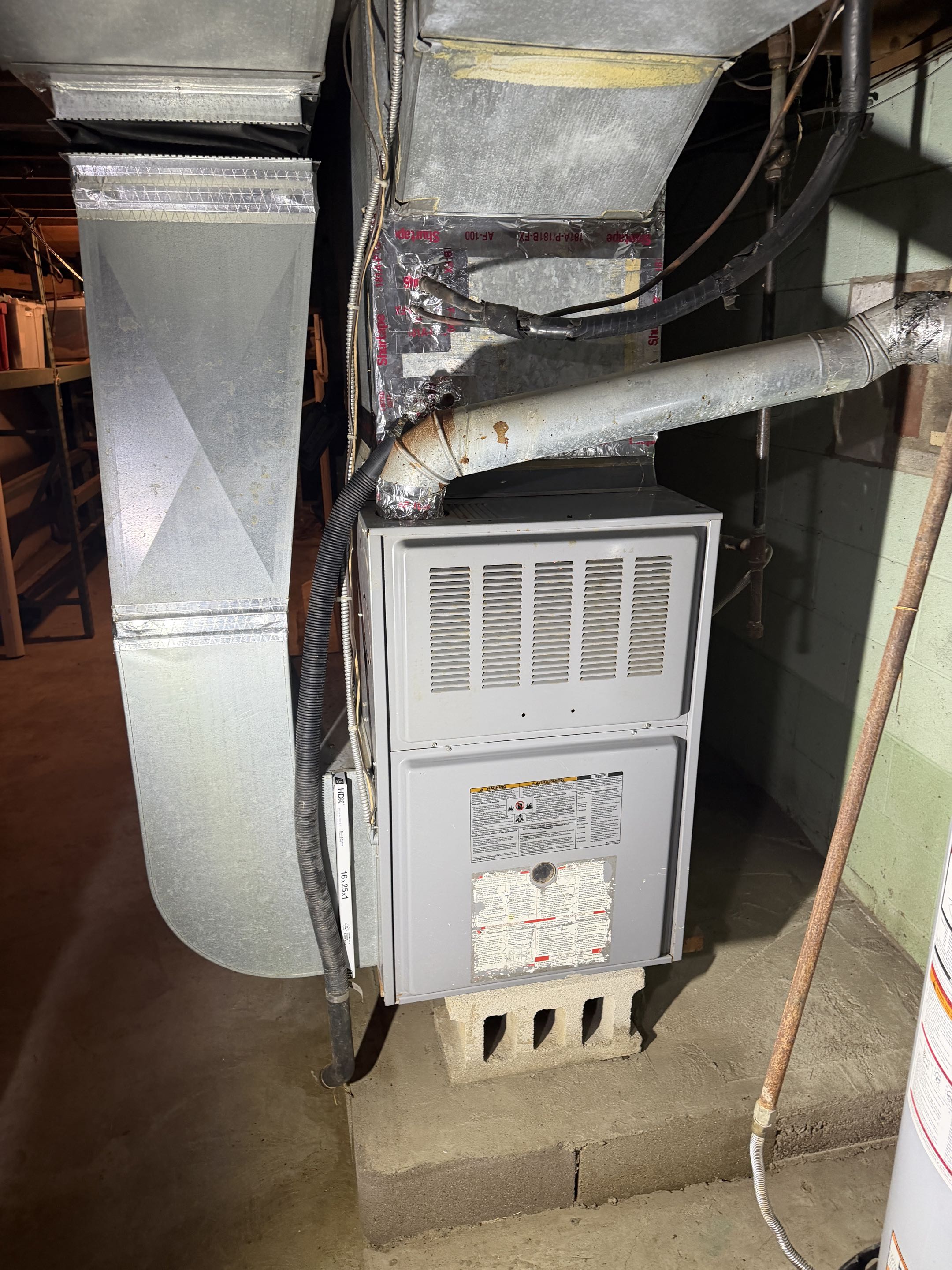
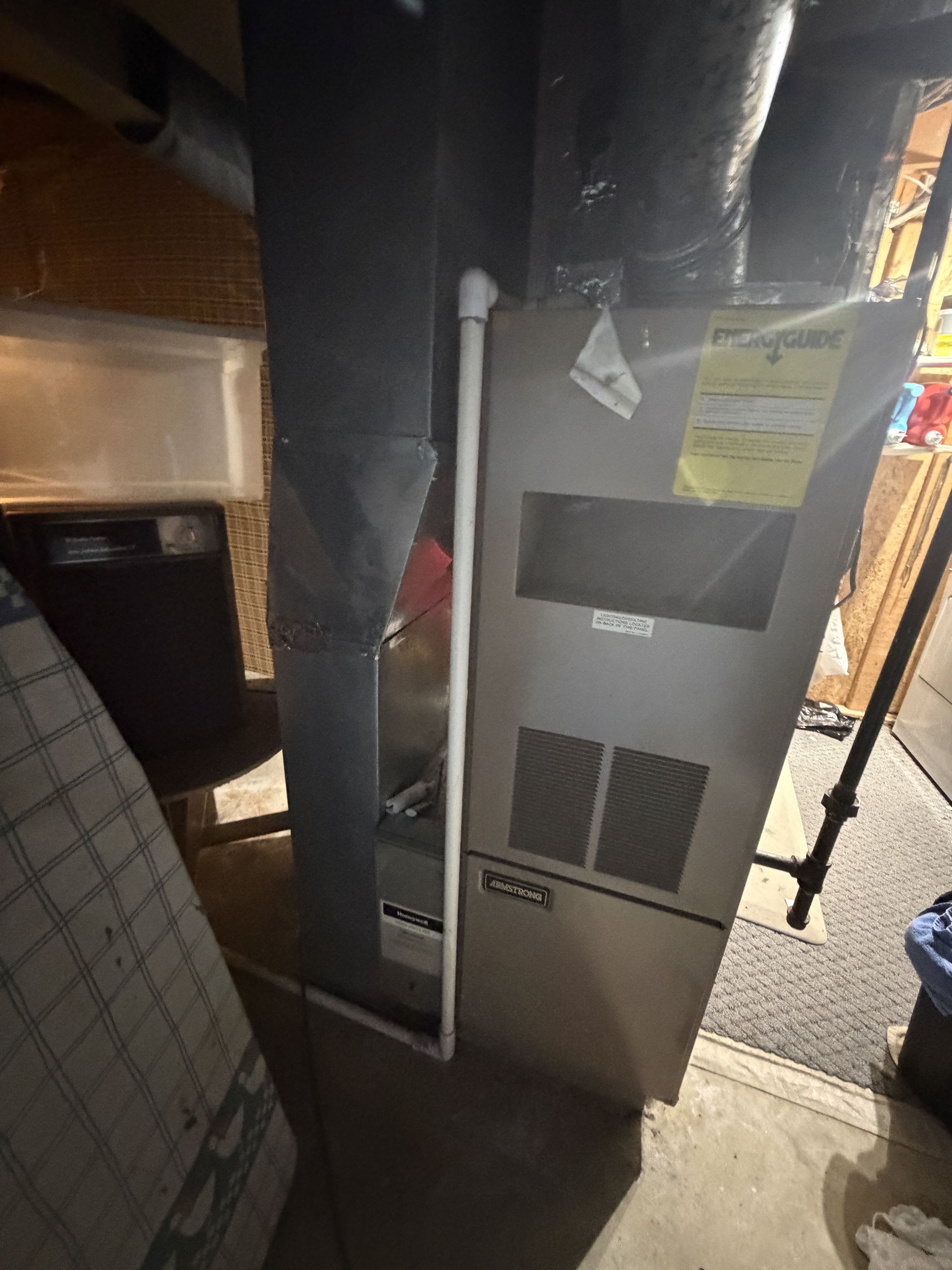
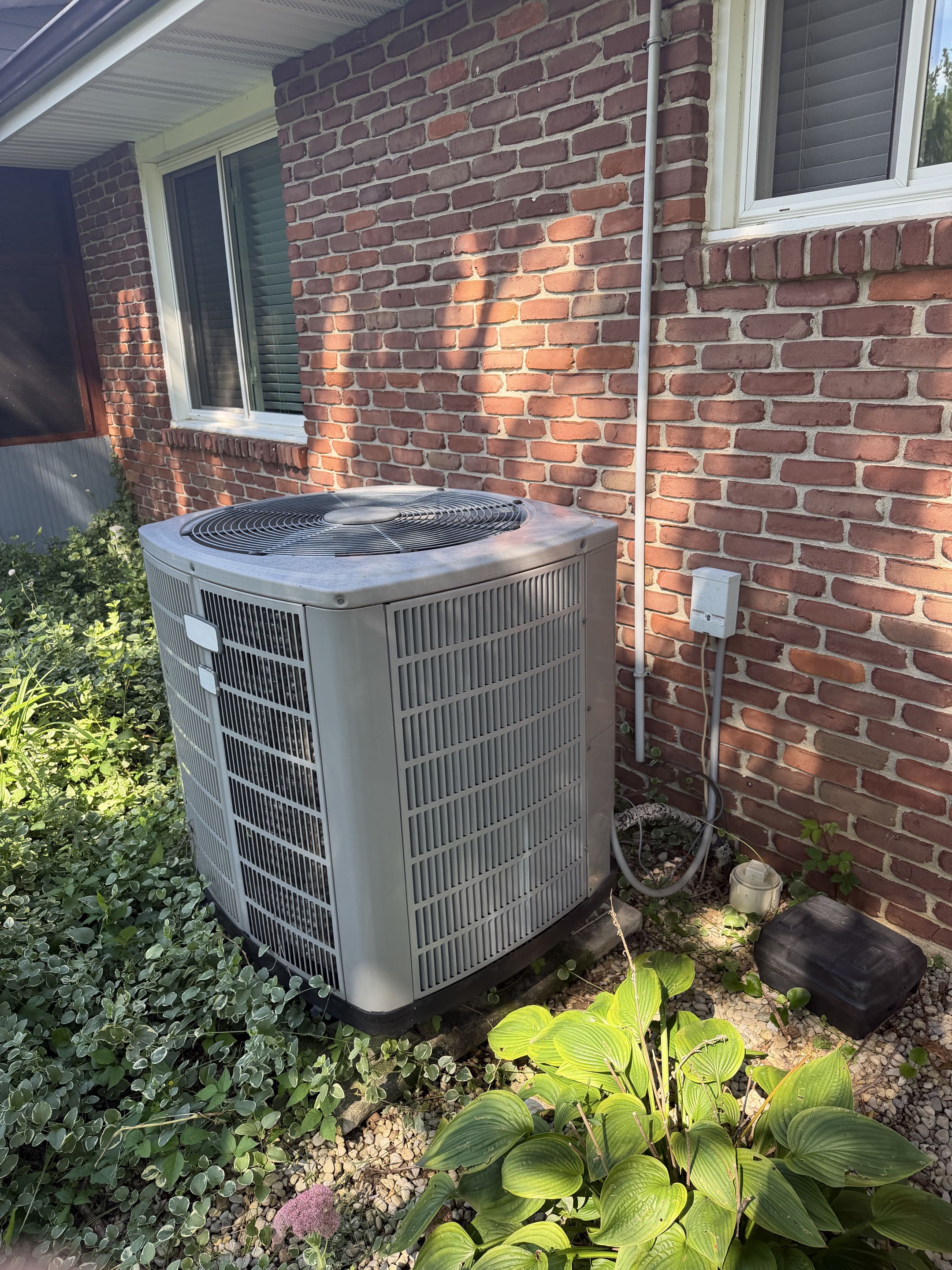
The furnace kicks on.
A few minutes later, it shuts off.
Then it starts again.
Then it shuts off again.
If that cycle keeps repeating, your furnace may be short cycling—and it’s something worth paying attention to.
At Sears Heating & Cooling, we see this problem in Central Ohio homes every heating season.
The good news?
A furnace that keeps turning on and off doesn’t automatically mean you need a new furnace.
There are several possible causes, ranging from surprisingly simple problems to issues that require professional repair.
The important part is figuring out why it’s happening.
What Is Furnace Short Cycling?
Normally, your furnace should run long enough to bring your home to the temperature set on your thermostat and then shut off.
Short cycling happens when the furnace repeatedly starts and stops without completing a normal heating cycle.
Besides being annoying, frequent cycling can put additional wear on components and may prevent your home from heating comfortably.
It’s your furnace’s way of telling you:
Something isn’t working the way it should.
- Start With the Air Filter
Before assuming something major is wrong, check your filter.
A dirty or overly restrictive air filter can reduce airflow through your HVAC system.
When airflow is restricted, heat can build up inside the furnace. Depending on the system and situation, safety controls may shut the furnace down to protect it.
The furnace cools.
It starts again.
And the cycle repeats.
Sometimes a problem that feels like a major furnace failure begins with something as simple as airflow.
- Your Thermostat Could Be Part of the Problem
Your thermostat tells the furnace when your home needs heat and when it doesn’t.
If the thermostat isn’t operating correctly—or if its location causes it to read the home’s temperature inaccurately—it can contribute to unusual cycling.
Before calling for service, make sure:
- The thermostat is set to HEAT
- The temperature setting is correct
- Batteries are fresh, if applicable
- Vents near the thermostat aren’t affecting its reading
If everything looks right and the problem continues, it’s time to look deeper.
- The Furnace May Be Overheating
A furnace that becomes too hot may shut itself down as a protective measure.
The question is:
Why is it overheating?
Restricted airflow can be one cause, but there can be others.
This is where proper HVAC diagnosis becomes important.
Simply getting the furnace running again isn’t enough. You want to understand what’s causing the problem in the first place.
- Ignition or Flame-Sensing Problems Can Cause Short Cycles
Modern furnaces have controls designed to make sure the system is operating safely.
If there’s an issue with ignition or the system isn’t properly detecting a flame, the furnace may start and then quickly shut itself down.
To a homeowner, it may look like:
“My furnace starts, but it won’t stay running.”
To an experienced HVAC technician, the timing and sequence of what the furnace is doing can provide important diagnostic clues.
That’s one of the reasons we always say:
The symptom isn’t necessarily the problem.
- Airflow Problems Can Go Beyond the Filter
Changing the filter is a great place to start, but airflow involves much more than that.
Problems can potentially involve:
- Blocked or closed vents
- Return-air restrictions
- Blower operation
- Ductwork
- An overly restrictive filter
- Other system conditions
If your furnace isn’t moving air properly, the entire heating system can be affected.
- The Furnace Could Be Improperly Sized
Here’s one homeowners don’t always expect.
A bigger furnace isn’t necessarily a better furnace.
If heating equipment is oversized for the home, it may heat the space too quickly, shut down, and then restart again shortly afterward.
That can affect comfort, efficiency and equipment life.
Proper HVAC installation isn’t just about putting a furnace in the basement.
It’s about making sure the equipment actually matches the home.
Does Short Cycling Mean I Need a New Furnace?
No—not automatically.
And this is important.
If your furnace keeps turning on and off, don’t assume that means the entire system is finished.
Depending on the cause, the solution may involve maintenance, airflow correction, a component repair or another fix.
There are also situations where an older furnace with significant problems may make more sense to replace.
But you shouldn’t make that decision until you know what’s actually causing the short cycling.
At Sears Heating & Cooling, we believe in:
Diagnose first. Then talk about options.
What Can You Safely Check Yourself?
Before calling an HVAC company, there are a few simple things homeowners can check:
- Make sure the thermostat is set correctly
- Replace or inspect a dirty filter
- Make sure supply and return vents aren’t blocked
- Check whether the furnace is producing warm air
- Pay attention to how long it runs before shutting down
Don’t remove furnace panels or attempt electrical, gas or internal repairs yourself.
Instead, tell your technician exactly what you’ve noticed.
Those details can be extremely helpful during diagnosis.
Don’t Wait Until It Stops Running Completely
If your furnace is short cycling, it’s tempting to ignore it because technically:
“Hey, the heat still works.”
But repeatedly starting and stopping isn’t normal operation.
Getting the problem diagnosed early may help prevent additional wear, larger repairs or waking up to a cold house when temperatures drop.
Sears Heating & Cooling: Find the Problem Before Selling the Solution
At Sears Heating & Cooling, HVAC isn’t one of the things we do.
It’s all we do.
We’re not plumbers. We’re not electricians. We’re HVAC specialists, and our technicians train year-round specifically on heating and cooling systems.
That’s important with a symptom like short cycling because several different problems can look almost identical to a homeowner.
Our job is to figure out what’s actually happening before recommending a solution.
And if it can reasonably be repaired?
We believe in fixing what’s fixable and replacing what’s necessary.
It’s an approach that’s helped Sears Heating & Cooling take care of Central Ohio families since 1950.
Locally owned and operated. No private equity. More than 75 years of Family Taking Care of Families.
If your furnace keeps starting and stopping, don’t wait for it to make the decision for you.
Have a Sears Heating & Cooling HVAC specialist take a look and find out what your furnace is trying to tell you.